


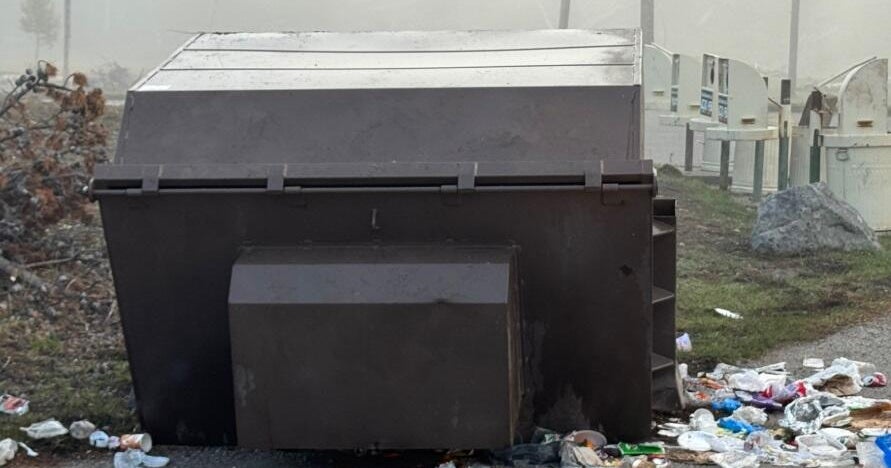
Yellowstone Grizzly Bear Euthanized After Dumpster Ransacking
The officials of Yellowstone National Park made the difficult decision to euthanize a 400-pound grizzly last week. The bear, an 11-year-old male, had become a safety hazard within one of the park's bustling areas.
Despite the park's robust efforts, including the deployment of bear-resistant dumpsters and secure trash cans, the grizzly managed to overturn 800-pound dumpsters and remove trash containers from their concrete foundations in its pursuit of human garbage. The bear accessed waste and food reserves at several locations, including near popular picnic sites and parking lots, as park authorities reported.
Kerry Gunther, Yellowstone's bear management expert, expressed dismay at the situation. "While it's always our goal to keep wildlife from engaging with human refuse, sometimes a bear can bypass our protective measures. When this occurs, we must make difficult choices to ensure the safety of both visitors and property," Gunther explained.
Yellowstone National Park offers "bear-resistant" food storage units at campgrounds and backcountry sites. These efforts are designed to minimize human-bear interactions and ensure that the animals remain wild and not reliant on human food.
The previous incident of a bear being put down by park staff was back in 2017, after it had caused destruction to tents and managed to get hold of food at a campsite near Heart Lake.
Another grizzly was euthanized in 2023 after a tragedy struck where a woman was fatally attacked on a forest path. The bear, a 10-year-old female, was put down by Montana wildlife authorities with permission from the U.S. Fish and Wildlife Service after it had a history of aggressive behavior.
Grizzly bears have been classified as a threatened species in the U.S. This safeguard means they can only be harmed or killed under specific circumstances, such as self-defense or to protect others. The Greater Yellowstone Ecosystem is considered crucial by government agencies for the rejuvenation of grizzly populations.
Leave a Reply