


Surge in Home Electricity Bills Expected This Summer Due to Heat and Inflation
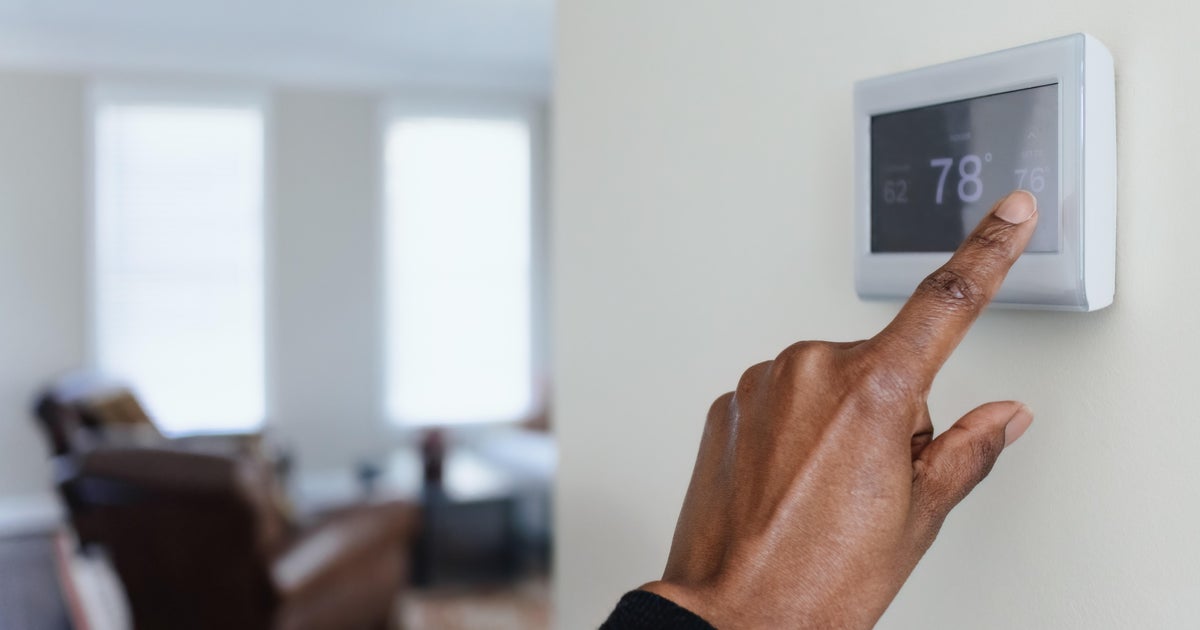
With predictions of soaring temperatures across the United States this summer, Americans are likely to experience an increased financial strain from higher cooling costs.
Average residential electricity bills are projected to climb to $784 for the summer months, marking an increase of more than 6% from last year's $737, according to a new report from the National Energy Assistance Directors Association (NEADA). This figure represents the highest level in over a decade.
Following a harsh winter that saw a spike in heating expenses, consumers remain concerned about the continuing rise in household costs due to inflation and higher energy prices, as evidenced by recent polls.
Energy economist Mark Wolfe from NEADA noted that both elevated temperatures and escalating electricity rates are expected to make air conditioning substantially more expensive this summer.
From June to September, the combination of inflating electricity prices and increased cooling usage is anticipated to burden households significantly more than last summer.
The trend indicates that even if temperatures stabilize, electricity prices might not decrease, keeping household expenses continually high.
Disproportionate Impact on Low-Income Families
For families with lower incomes, energy costs consume a much larger portion of their budget than for wealthier households. NEADA reports that low-income families spend about 8.6% of their income on energy, compared to around 3% for higher earners.
According to Wolfe, the inability to afford energy bills could compel economically struggling families to limit their use of air conditioning, potentially putting their health at risk.
The latest Census Household Pulse Survey highlighted that 37% of low- and moderate-income households weren't able to pay their energy bills for at least one month within the past year.
Given these financial difficulties, some may opt to endure the heat by avoiding air conditioning, influenced by the dire costs involved.
Whereas unheated winter homes risk frozen pipes, the danger of foregoing air conditioning in summer is personal health deterioration, including risks like heat stroke.
Health Risks of Extreme Heat
Assistance for energy costs has not progressed to match the challenges posed by increasingly severe climate conditions, as conveyed by Wolfe. He points out that protection systems are not evolving alongside these weather patterns.
The existing infrastructure for energy assistance requires urgent updating. Currently, only 26 states provide any support for summer cooling costs, and 33 states lack regulatory safeguards against utility shut-offs for unpaid bills during the summer.
According to the National Weather Service, extreme heat is the foremost weather-related cause of fatalities in the U.S.
Wolfe suggests that improving a home's energy efficiency, such as through better insulation, could mitigate energy expenses.
He advises that households should begin planning for sustained extremes in weather by ensuring their cooling systems are energy efficient.
Leave a Reply