


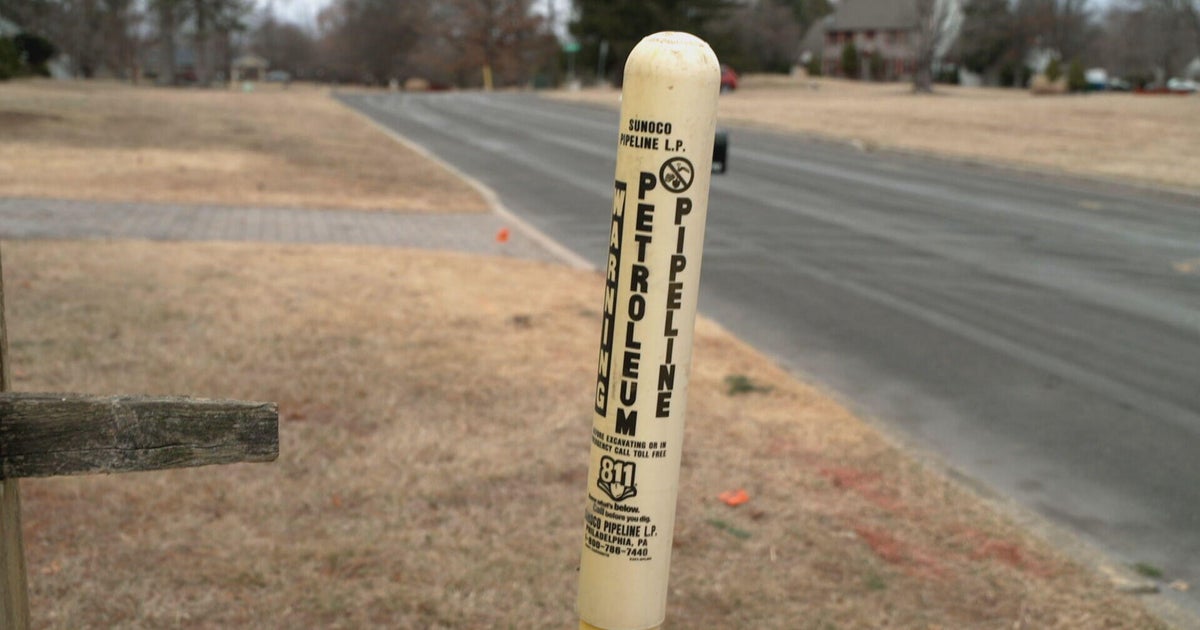
Pennsylvania Community Alarmed by Undetected Jet Fuel Leak
When the Wojnovich family settled into their dream home in Washington Crossing two decades ago, they had no idea that, in 2023, the simple act of turning on a faucet would become a nightmare.
"The water tasted odd and carried the scent of oil," recalled Wojnovich. The unsettling discovery led the family to contact Sunoco Pipeline, the entity responsible for the Twin Oaks pipeline situated nearby. This underground conduit channels jet fuel from a location outside Philadelphia onwards to Newark.
Sunoco conducted tests on their water supply, but initially reported no contaminants. "They assured us there was no oil or gas present," Wojnovich said.
The company speculated about non-pipeline related bacterial causes, but it wasn't until a year and four months later that an inquiry revealed a leak.
Wojnovich expressed a persistent fear, feeling as though the contamination threatened their health daily. Unlike those in urban areas, local residents depend on groundwater aquifers accessed via wells for domestic water.
The extent of the pollution became apparent when their well was opened, revealing approximately 15 gallons of jet fuel accumulated since late 2023.
Although Sunoco has been proactive in removing the fuel, ongoing seepage mandates continued vigilance. Currently, at least 38 wells have been recorded as contaminated, based on data from the Pennsylvania Department of Environmental Protection.
According to national records, Sunoco Pipeline released more fuel in 2024 than any other network in the country.
Robert Hall, a seasoned expert in pipeline safety regulation, faulted the company's delayed response, suggesting more diligent monitoring might have preempted the incident. "Their pipeline management practices fall short of industry-leading standards," he commented.
Responding to the situation, Energy Transfer, Sunoco's associate, committed to installing complimentary advanced filtration systems and pledged neighborhood restoration efforts, yet did not clarify the reasons for the delayed detection.
Currently pursuing legal action, Wojnovich insists she will not remain in an area overshadowed by potential hazard, noting, "How could one stay, knowing that 12 feet of jet fuel were atop their water supply?"
Leave a Reply