


Efforts to Remove Crucial Endangered Status from Lesser Prairie-Chickens
A often-overlooked creature, the lesser prairie-chicken, faces a new threat to its existence. Unlike the majestic bald eagle or the speedy peregrine falcon, this groundbird is seeking attention not for its beauty, but for its survival.
Residing in the southern Great Plains, the lesser prairie-chicken is a relative of the larger greater prairie-chicken. The species is now at a critical juncture.
In 2023, this bird species was protected under the Endangered Species Act, recognizing its significant decline from past centuries, when its numbers were in the hundreds of thousands or millions, to around 30,000 today.
Political Moves Threaten Bird's Legal Safeguards
Recent administration motions have posed a threat to these birds' newfound safety, claiming errors in their listing, which bars harming them with some exceptions. This action was not entirely surprising due to overlaps in bird habitats with oil and gas extraction sites.
Prairie-Chicken Courtship: An Elaborate Dance
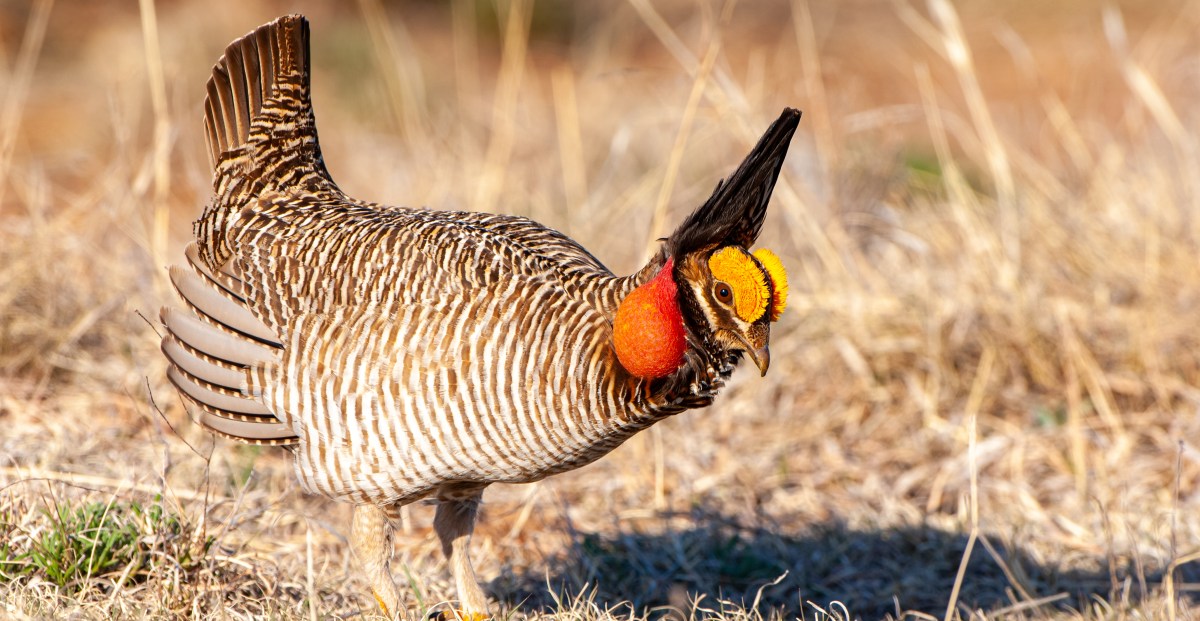
Each spring sees male lesser prairie-chickens put on a striking display to win over females. Gathering in areas known as leks, they puff out throat pouches, strut with yellow-eye-mark combs, and create booming calls reminiscent of fast-paced yodeling.
These birds play essential roles in their ecosystems, helping seed dispersal and insect control. However, loss of habitat from industry has critically endangered them. Their range has drastically decreased since European colonization began.
Legal Challenges and Conservation Battles in Court
Initially granted protection in 2014, efforts to preserve these birds have faced legal hurdles, including a 2015 challenge leading to their temporary delisting in 2016. Subsequent reassessments determined that the species required protection once again.
The current administration's attempts to revoke these protections cite insufficient evidence of this bird's distinct population segments, creating a loophole for potentially harmful activities such as drilling.
The Implications of Changing Environmental Policies
The policy reversal raises concerns about the security of other endangered species, especially those in resource-rich areas. This includes creatures like the monarch butterfly and dunes sagebrush lizard, which also share habitats with industrial zones.
Cautious optimism exists within environmental circles, where the judicial system is expected to evaluate any undermining of endangered status. However, the shifting policy landscape places immense pressure on the lesser prairie-chicken and others.
Conservation Beyond Individual Species
Preserving species like the lesser prairie-chicken not only protects the bird but also the ecosystems they inhabit, providing broader environmental and economic benefits for communities dependent on these areas.
The Endangered Species Act's overarching goal is to maintain ecosystems vital to both human and wildlife survival, and its potential weakening poses substantial threats to this delicate balance.
Leave a Reply