


Efforts to Rehabilitate Palisades Reservoir Preceding the Blaze
The Pacific Palisades fire brought attention to a critical issue: the water supply was inadequate partly due to a reservoir being out of operation for maintenance purposes. The city had made attempts to mitigate this by considering a secondary water source, though their plans did not reach fruition.
Background on Reservoir Preparations
In the months leading up to the unfortunate wildfire event in Pacific Palisades, Los Angeles water officials were evaluating an initiative to temporarily reactivate an older reservoir. This plan was intended to augment the restricted water capacity as the community's primary reservoir, Santa Ynez, was out of service following damage to its protective covering.
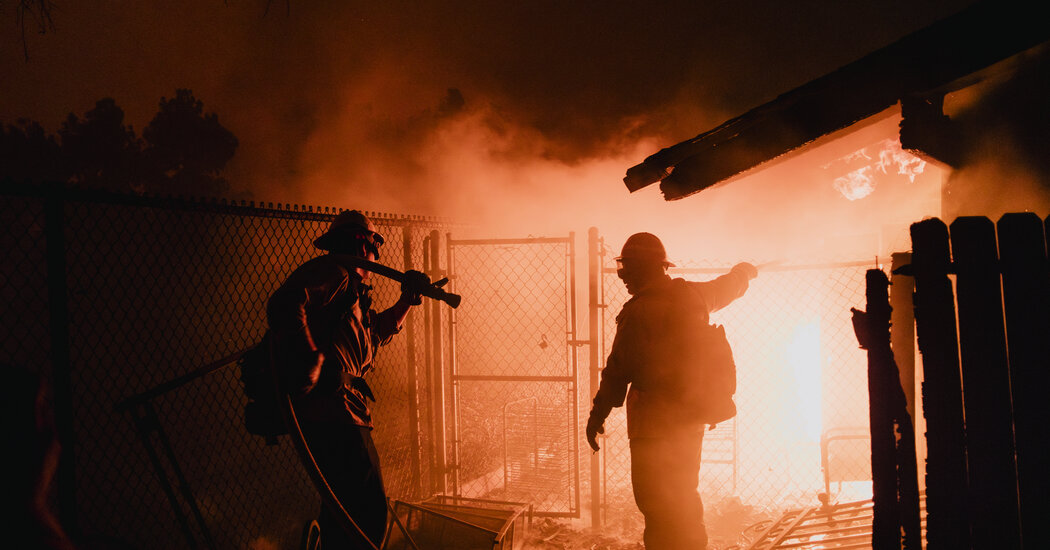
The intended repair for the Santa Ynez Reservoir was still planned, with completion anticipated sometime in the future. Unfortunately, as the fire erupted earlier than the repair’s fruition, firefighters faced a dire shortage of water resources.
Documentation and Attempts at Resolution
Correspondence obtained by The New York Times through public records requests unveiled efforts by city officials to address the insufficiency of water supply over several months. Despite extensive discussions and preparatory measures, their attempts were ultimately unsuccessful.
In June 2024, a concerted effort was made to clean the Pacific Palisades Reservoir, a previous water source situated three miles from the Santa Ynez Reservoir, retired in 2013. The cleanup was a precursor to the site's temporary reactivation during the principal reservoir's downtime.
Barriers to Implementation
Following the clean-up, additional plans were underway to carry out disinfection and install essential plumbing components. However, the proposal to revive the old reservoir was not seen through to completion.
Ellen Cheng, representing the Los Angeles Department of Water and Power, communicated that eventual assessments led to the decision that reactivating this reservoir could pose dangers, both structural and to the nearby residential areas.
Leave a Reply