


Louisiana Oil Spill's Concerns Grow Amid Staffing Reductions
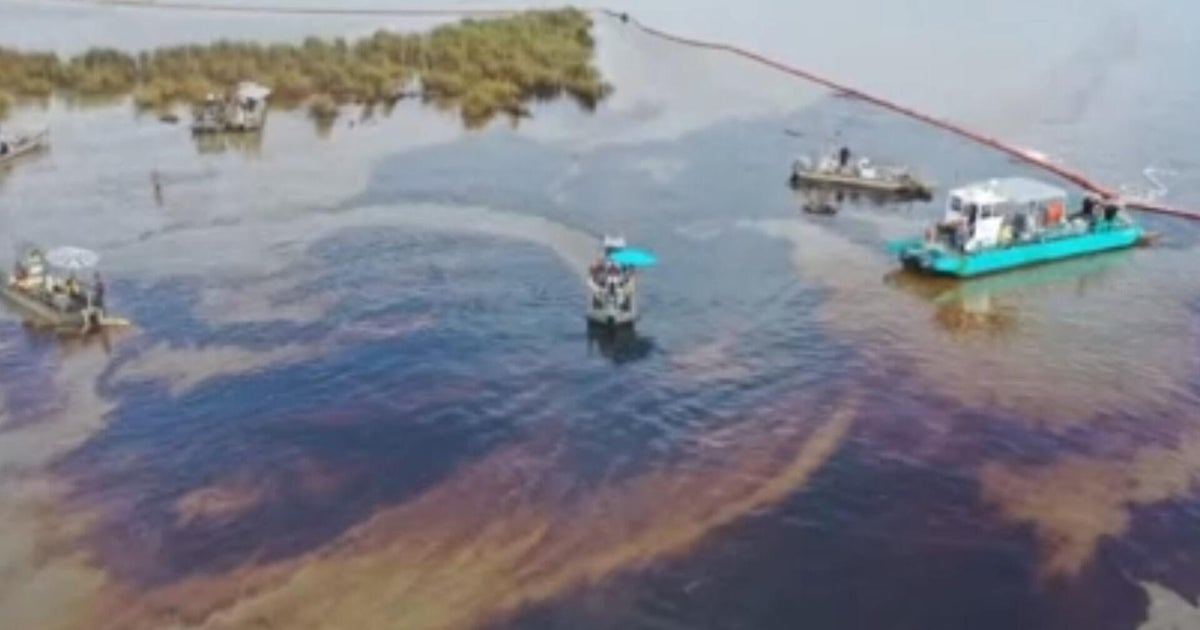
Alarm is rising among environmental groups and former federal disaster experts over the impact of recent staffing cuts on the ability to respond effectively to a significant oil spill off the Louisiana coast. The leak is rapidly spreading through marshlands, threatening vital wildlife habitats and fisheries in the Gulf Coast region.
While the exact quantity of crude oil spilling from the defective well remains unknown, initial reports from the U.S. Coast Guard's National Response Center suggested it could exceed the major spill threshold of 100,000 gallons for coastal areas. The blowout, first identified on April 26, still lacks a known cause.
The Coast Guard announced on Thursday that they had recovered over 30,000 gallons of oil mixed with water from the site. However, with more than two miles of boom in place, additional containment materials are yet awaited.
Complicating the response, workforce reductions have hit hard, with over 1,000 employees recently leaving their positions through layoffs or early retirements. Among the affected are critical members of NOAA's Office of Response and Restoration, the group designated to tackle such environmental disasters.
This NOAA division manages around 150 environmental spills annually, recovering substantial sums from liable parties to fund environmental restoration.
An ex-NOAA manager involved in disaster responses shared concerns about the downsized team responsible for supporting the Coast Guard, the agency currently leading the response and investigation into the spill near Garden Island Bay.
Adriana Bejarano, a recently dismissed chemical scientist, explained that such staffing losses could hinder NOAA’s capability to address simultaneous disasters effectively.
Environmental advocates like Gib Brogan of Oceana are worried, noting that the collective experience of NOAA staff walking out the door equates to 27,000 years, a significant loss of expertise.
Currently, a substantial oil 'fountain' emanates from a Spectrum Opco LLC well, shooting oil 30 to 40 feet into the air. Cleanup efforts involve spraying water to subdue the airborne oil, assisting in its recovery and preventing further drift.
Well 59, drilled to nearly 7,000 feet back in 1942, is the source. Despite being capped in 2016, critics argue it should have been permanently decommissioned much earlier.
Critical habitats, including those of the endangered loggerhead sea turtle, are at risk, although no direct harm to wildlife has been recorded yet.
The leak is part of a broader concern involving 14,000 inactive wells in the Gulf, even as federal policies aim to accelerate offshore oil extraction.
The Garden Island Bay spill site is near a delicate wildlife management area in Louisiana, raising concern for species like black terns and bottlenose dolphins.
The impending opening of the shrimping season exacerbates worries, as the spill site falls within key fishing zones.
Federal intervention has been enacted, with authorities assuming full control of the oil containment and cleanup. Key equipment, including a capping stack, is being dispatched.
As of the latest update, over 32,700 gallons of the oil-water mix have been retrieved, with ongoing skimming operations led by Coast Guard Captain Gregory Callaghan.
Though inquiries have been made to the responsible company, Spectrum Energy, coordination remains under the Coast Guard's management.
Despite concerns, the federal agencies involved vow to utilize all available resources to stabilize the situation and mitigate environmental impacts.
The severity of the current disaster recalls past incidents that released millions of gallons into the Gulf, underlining the importance of responsive, effective disaster management.
Leave a Reply