


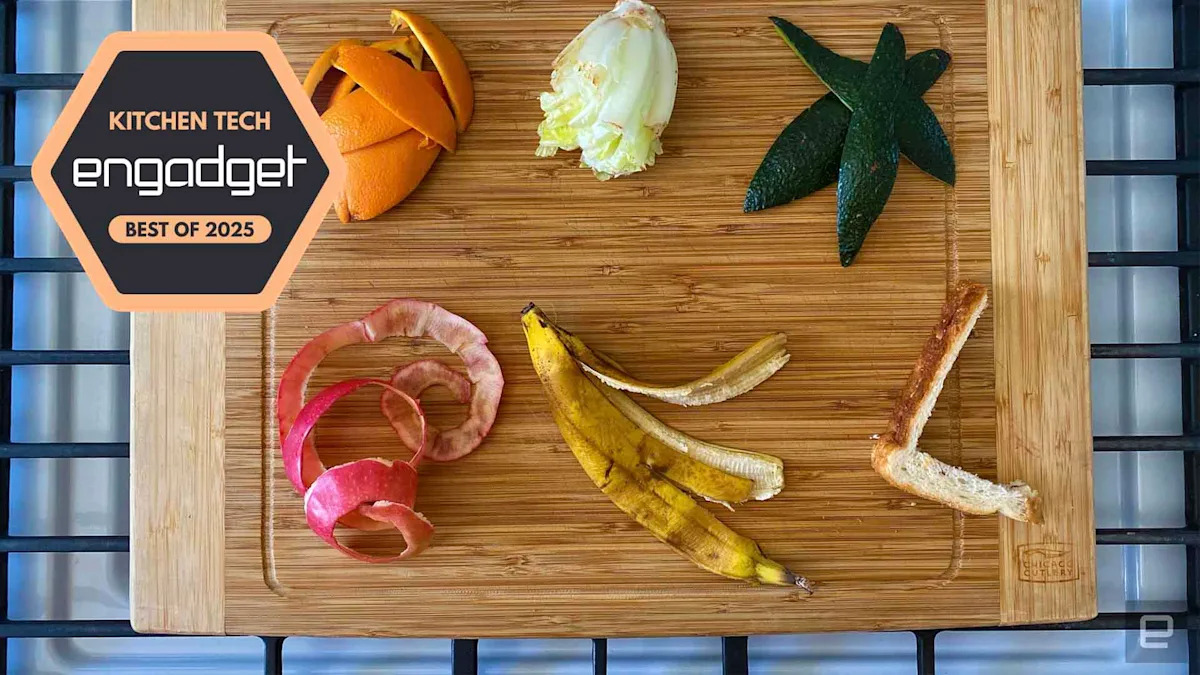
Optimizing Food Scrap Composting
Exploring Professional versus Personal Compost Management
For five years, composting figured prominently in my daily routine while living off-grid. Although our compost was not limited to food, I discovered the intricacies of developing a healthy compost heap. It's undeniably labor-intensive, and now residing in an urban environment, I choose not to manage it personally. Despite this, my conviction in composting remains strong, particularly considering that the average American disposes of approximately 200 pounds of food every year. Food waste in dumps contributes to dangerous methane emissions exacerbating climate change, whereas compost serves to enrich soil and function as a carbon sink.
Thanks to increasingly common municipal compost programs, millions now have a straightforward approach to managing their organic waste. However, if you're like me and reside in an area lacking widespread compost collection, your options are twofold: engage in home composting—be it unaided or facilitated by a machine—or enlist the services of a professional.
Setting Up Your Home Compost
The notion might seem simple: toss food into a container and retrieve garden-ready compost weeks later. The reality, however, is that composting demands extensive time, space, and labor. Key challenges include consistently maintaining your pile—regularly adding materials, aerating through turning, and moderating moisture levels according to climate conditions. Significant resources, both in terms of space and materials, are necessary to construct and sustain the compost bins. Access to 'brown' or carbon-laden ingredients, such as dead leaves, unprocessed paper, and wood products, is essential.
Numerous experienced individuals have prepared guides to guide you through the composting maze. While I utilized 'The Mini Farming Guide to Composting,' the following online sources also offer invaluable insights: The EPA provides a primer along with a user-friendly chart of green versus brown materials; the ILSR offers illustrated, step-by-step instructions; NMSU presents a science-based reference with diverse methodologies; and Joe Gardener's comprehensive PDF brings detailed guidance from DIY and PBS shows.
Understanding Countertop Composting Devices
Devices marketed as 'composters' can be misleading, as they don't execute the biological composting process requiring weeks of microbe interaction. Rather, these gadgets pulverize and dry your scraps, significantly reducing their size sans odor. A distinct advantage is their ability to handle meat and dairy, often prohibited in traditional compost piles. The end product can integrate into various uses: garden spread, indoor plant nourishment, or disposal in a designated bin.
Through investigating prominent products, here are observations on some gadgets: The Mill functions on a subscription model, processing scraps automatically into compacted 'grounds,' ultimately transformed into chicken feed. The Lomi, smaller than Mill, incorporates probiotics to create 'plant food' within hours, though its product necessitates judicious mixing with soil. Reencle utilizes microorganisms akin to fermentation, requiring periodic removal of only segments of its content.
The Case for Hiring Compost Services
Embarking on personal composting demands significant input. Though technological machines offer drawbacks like cost and potential disruptions, they require users to decide on the byproduct's fate—serving gardeners well but complicating matters for others. Additionally, self-driven composting disallows the use of biodegradable dishware and packaging, options that commercial facilities process within a conducive time frame that home methods cannot match.
In urban centers with municipal compost services, food establishments have adopted compostable packaging strategies, enabling refuse sustainability. For those outside these zones, outsourcing compost management becomes a practical alternative. Subscription services typically furnish a bin for your scraps, retrieving filled containers per a preset schedule, the contents composted on a macroscopic scale and the surplus shared with local ventures.
Remember, service specifics vary, governing permissible items within your collection bin. Standard allowances encompass diverse food remnants, paper goods not contaminated with cleaning agents, and certified compostable plastics. Mitigating odors entails regular household collection and strategic placement until collection occurs.
Emerging Trends in Compost Services
Technological advancements are fostering the expansion of such services nationwide. With online enrollment and automated billing, some major regions are developing municipally-run compost programs. Seattle exemplifies a city with comprehensive waste management, offering a straightforward approach with separate trash, recycling, and compost bins. For locales missing these services, going for a paid service is often the necessary route.
Leave a Reply