


Anticipated Emergence of Cicada Brood XIV in 2025: Key Insights
In the spring of 2025, a vast swarm of cicadas is expected to emerge across the eastern United States. Known for their loud presence, these insects make a remarkable return on a 17-year cycle.
This particular brood, labeled Brood XIV, is renowned for its synchronized appearance. Despite smaller numbers in some regions, these cicadas will span from New York down to Georgia, bringing their characteristic sounds to various states along the East Coast.
Understanding Periodical Cicadas
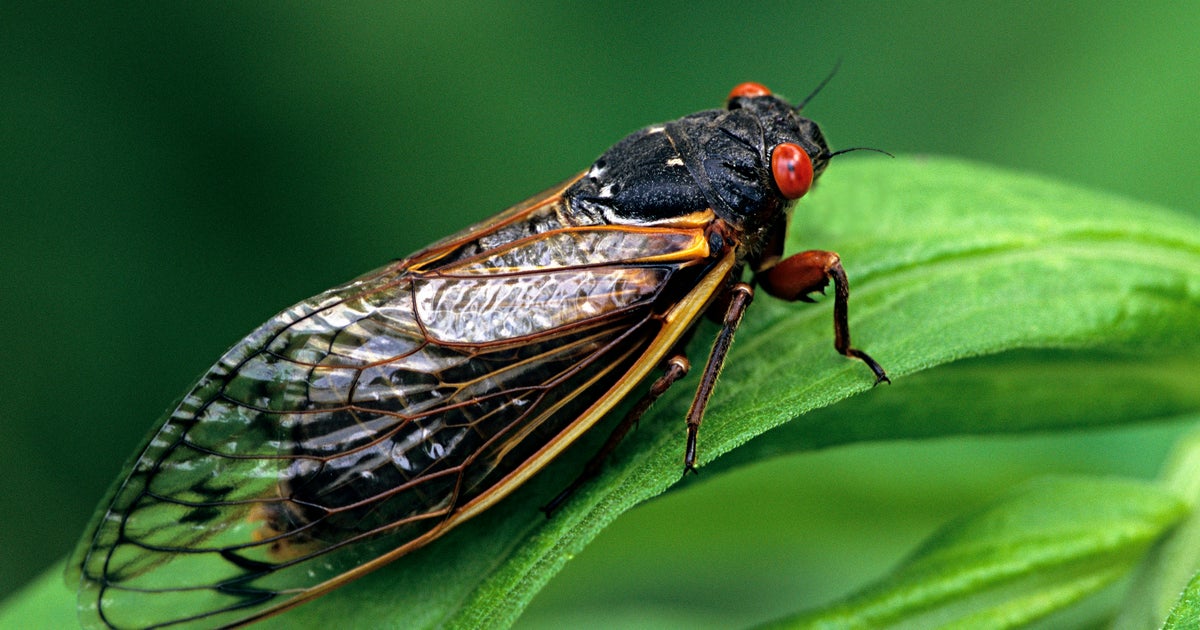
Periodical cicadas are insects with distinct red eyes and delicate wings, generally about an inch long. Often confused with locusts, they are, in fact, members of the same insect family as bedbugs and stink bugs.
Unlike annual cicadas which appear every summer, periodical cicadas emerge en masse every 13 or 17 years. This mass emergence, known as a brood, is categorized using Roman numerals.
Brood XIV, noted as the second-largest known brood, emerges in well-documented locations, allowing researchers to predict their emergence. These cicadas typically lay eggs near their emergence sites, leading to recurring appearances in similar areas.
Mapping the 2025 Cicada Emergence
The University of Connecticut has provided research used to create a predictive map of Brood XIV’s occurrence. This brood, last seen 17 years ago, is expected to emerge primarily in Kentucky and Tennessee, with additional sightings in various parts of Georgia, Illinois, and other neighboring states.
Timing of Cicada Emergence
Expect these cicadas to surface by the end of spring, specifically before June 21. However, the timing can vary across regions, dictated by soil temperature.
Matthew Kasson, a cicada expert, explains that the creatures wait until the soil warms to 64 degrees Fahrenheit before emerging. Therefore, cicadas in warmer areas may appear earlier than those in cooler climates.
Cicada Lifecycle Activities
Cicadas spend most of their lives underground as nymphs, surviving on plant root fluids for 13 to 17 years. When the time is right, they ascend in vast numbers, creating such a loud and consistent noise that their presence cannot be ignored.
This noise, primarily a mating call, occurs as male cicadas gather to attract females. Post-mating, females deposit eggs into tree branches, after which new cicadas drop to the ground, burrowing in until the next cycle.
Post-emergence, adult cicadas stick around for about 4 to 6 weeks. Although individual cicadas live briefly, the emergence duration spans approximately two weeks due to staggered appearances.
Leave a Reply