


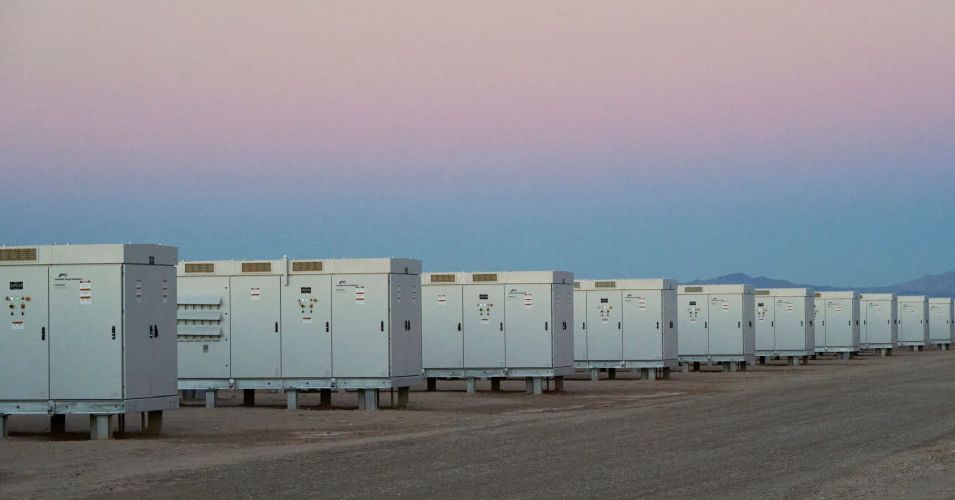
The Silent Transformation: Grid-Scale Battery Storage and the Future of Energy
Producing electricity presents a significant challenge: it generally needs to be consumed as it is produced. This principle has directed the engineering and management of power systems, where vast generator networks maintain a delicate balance, ensuring energy reaches homes and businesses nationwide.
Achieving this equilibrium necessitates careful orchestration to ensure that generators are always primed to meet demands that fluctuate extensively. Whether to handle surges during hot days when air conditioning spikes power use or to prevent system strain akin to a 30-lane highway built just to avoid traffic jams, the infrastructure is extensive.
But, what if storing surplus electricity for future use were possible? This capability would negate the need for overbuilding infrastructure and continuous balancing of generation and consumption, leveling the fluctuation issues associated with renewable resources like wind and solar power.
This concept becomes viable through large-scale energy storage solutions. While the U.S. has utilized basic energy storage like pumped hydro in the past, there’s a significant rise in the adoption of lithium-ion battery storage systems, akin to the ones in our everyday devices. Projections indicate a doubling of new installations soon, surpassing the traditional pumped hydro capacity.
The Evolution of Large-Scale Batteries
In 2011, the global record holder for battery energy storage was set by a system in America, composed of lithium-ion cells producing 32 megawatts, then an impressive feat. In contrast to past years, today’s energy storage accomplishments are exponentially grander.
Nowadays, projects are scaling up to gigawatt-hours, supported by more efficient manufacturing processes and dropping costs. For example, in 2008, battery prices were about $3,000 per kilowatt-hour, compared to the significant reductions seen today, as innovation and economies of scale drive prices down.
China’s extensive investment in battery production lowered costs globally. Meanwhile, renewable energy’s growth has further propelled storage needs, as more solar and wind energy projects integrate battery systems to manage their natural inconsistencies.
Critical improvements in battery management and installation regulations have facilitated more seamless integration with existing energy grids, enhancing the overall market potential.
Advantages of Energy Storage
Energy storage is a perfect complement to renewable energy, enhancing its benefits while mitigating some drawbacks. It bolsters grid reliability and stability, critical during extreme weather events.
Batteries are used extensively for frequency regulation, maintaining the electricity cycle at desirable levels and preventing system overloads. They also offer alternative power sources, accommodating sudden surges or outages without delay. Furthermore, they facilitate efficient energy trading, storing power when cheap and distributing it during price peaks.
As production scales, grid batteries can prevent costly infrastructure expansions, enhancing grid responsiveness and easing transmission burdens.
Overcoming Limitations of Battery Storage
Despite advantages, lithium-ion batteries present limitations such as relatively short storage durations. Grid systems need to cater to prolonged power storage to match fluctuating demands effectively.
There remain uncertainties regarding supply chains and economic factors affecting battery affordability. However, continued investment in battery manufacturing within the U.S. promises to address these challenges, even amidst political fluctuations and regulatory adjustments.
Ultimately, while the current impact of energy storage on the national grid is modest, its potential for future expansion is vast, pointing toward a more sustainable and resilient power infrastructure.
Leave a Reply