


Trump's Executive Push for Deep-Sea Mining Targets China's Mineral Supremacy
In a bid to reduce dependency on China's dominant role in supplying critical minerals, the U.S. President has issued an all-encompassing directive to invigorate deep-sea mining efforts.
The objective is to swiftly advance the discovery and extraction of essential minerals like nickel, copper, and rare earth elements from both U.S. waters and international regions.
Trump emphasized in the order the U.S.'s vital interest in maintaining a cutting-edge position in undersea technology and seabed mineral assets, underscoring national security and economic stakes.
This solo maneuver aims to counter China's swelling sway over ocean floor resources. It intends to firm up alliances and ensure American enterprises are ready to aid in environmentally responsible seabed resource exploration.
The order, however, is seen by critics as opposing worldwide regulatory endeavors, as it prompts the issuance of mining permits under the 1980 Deep Seabed Hard Minerals Act.
Notably, the order proposes creating protocols for permit issuance along the U.S. continental shelf and calls for expedited processing of mining applications in international waters.
Understanding Deep-Sea Mining
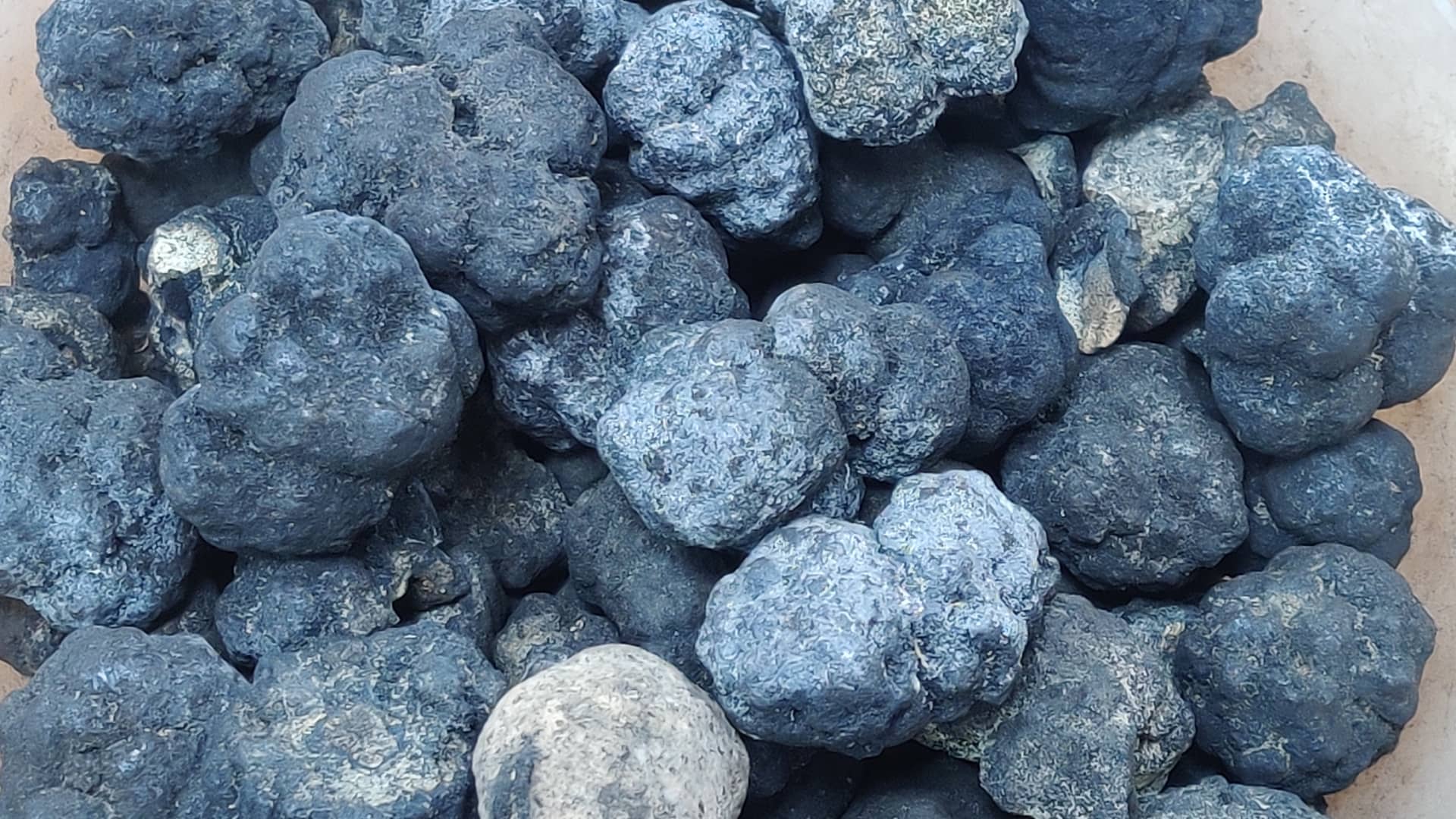
Deep-sea mining employs heavy machinery to collect metals and minerals from the ocean floor, where they accumulate in formations resembling potato-like nodules. Such resources are crucial for manufacturing electric vehicle batteries, wind turbines, and solar energy systems.
Proponents argue that deep-sea mining presents an opportunity to create a profitable industry, potentially reducing reliance on terrestrial mining.
However, scientists caution against unknown environmental repercussions. Activists claim the practice threatens marine ecosystems and could lead to species extinction.
Greenpeace USA's Arlo Hemphill criticized the administration's attempt to forge ahead in the Pacific without United Nations consent, terming it a blow to international cooperation.
The International Seabed Authority (ISA), under U.N. oversight, has aimed to finalize regulations before mining begins, focusing on both exploitation and conservation of deep-sea deposits.
International Concerns and Alliances
Timeliness of Trump's order is questioned as negotiators seek regulations by 2025, with the U.S. yet to ratify the 1982 U.N. Law of the Sea.
The ISA governs about 54% of ocean area, aiming to balance environmental protection and resource retrieval.
A potential global fallout may arise as U.S. dismissal of U.N. processes could lead to unexpected alliances against its stance.
Over 40 nations, including geopolitical powers like China, Russia, and the UK, have criticized the moves by the U.S. and The Metals Company, a Canadian mining firm.
Norway, previously supportive of regulated seabed operations, now aligns with countries like China, India, and Poland to resist the U.S.'s hasty approach.
The main concern hinges on the U.S.'s sudden disregard for previously settled deep-sea mining procedures, raising global discontent.
Leave a Reply