


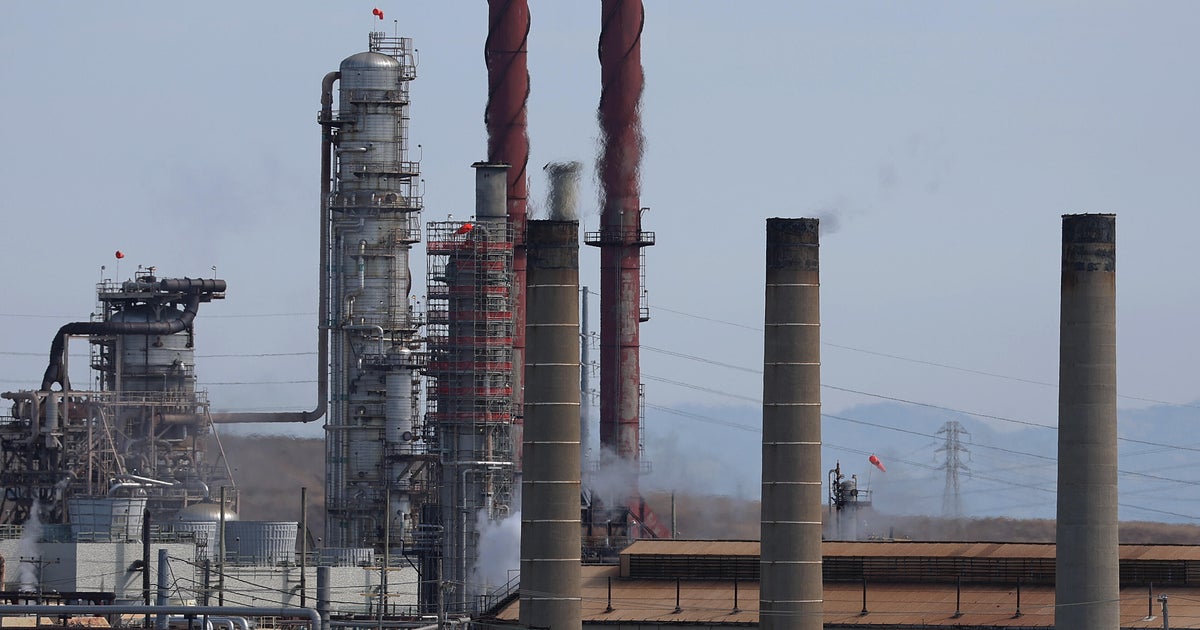
Study Links $28 Trillion in Climate Damage to Fossil Fuel Enterprises
Researchers at Dartmouth College have calculated that extreme heat effects from the emissions of 111 fossil fuel entities have resulted in an estimated economic cost of $28 trillion from 1991 through 2020.
The study introduces a peer-reviewed method that correlates emissions to precise climate repercussions, potentially paving the way for holding these companies accountable for the expense of severe meteorological phenomena. It draws parallels to the accountability faced by tobacco companies for cancer and by pharmaceutical firms for the opioid crisis.
Globally, the organization Zero Carbon Analytics has documented 68 legal actions concerning climate change damages, predominantly in the United States.
Major Contributors to Climate Costs
Approximately one-third of the financial toll is linked to five leading companies, collectively responsible for over $9 trillion in climate-related damages, as deduced from the study's findings.
The authors, Christopher Callahan from Dartmouth College and geography professor Justin Mankin, propose that there's enough scientific evidence to substantiate climate liability claims.
The assessment suggests that each percent of global greenhouse gas released since 1990 translates to $502 billion in heat damage alone, excluding other devastating weather events like hurricanes and droughts.
An array of 1,000 computer simulations was employed to estimate the influence of these emissions, contrasting scenarios with and without the contributions of each company.
For instance, emissions traced back to Chevron are calculated to have increased global temperatures by .045 degrees Fahrenheit.
Further simulations, numbering 80, were utilized to assess how each corporation's emissions impacted the intensity of the year's five hottest days, aligning heat intensity with economic impact.
This technique echoes established scientific approaches for linking extreme climate occurrences, like the 2021 Pacific Northwest heatwave, to overall climate change.
Mankin elaborated that prior defenses suggesting indeterminate responsibility for CO2 contributions are no longer tenable, stating this study provides clarity in linking emissions back to primary emitters.
Despite attempts, companies like Aramco, Gazprom, Chevron, Exxon Mobil, and BP did not furnish comments on the study.
Friederike Otto from Imperial College London commends the methods used in the study, suggesting that wider application will refine the scientific understanding and potentially influence future legal rulings by underscoring the strong body of evidence.
Although no major lawsuits have yet succeeded against large carbon emitters, Otto believes that robust scientific testimonies may change the legal landscape.
Michael Mann, a climate expert at the University of Pennsylvania, regards the research as a valuable demonstration and likely an underestimation, highlighting the complexity of climate variables.
Leave a Reply