


Proposal Alters Endangered Species Protections By Redefining 'Harm'
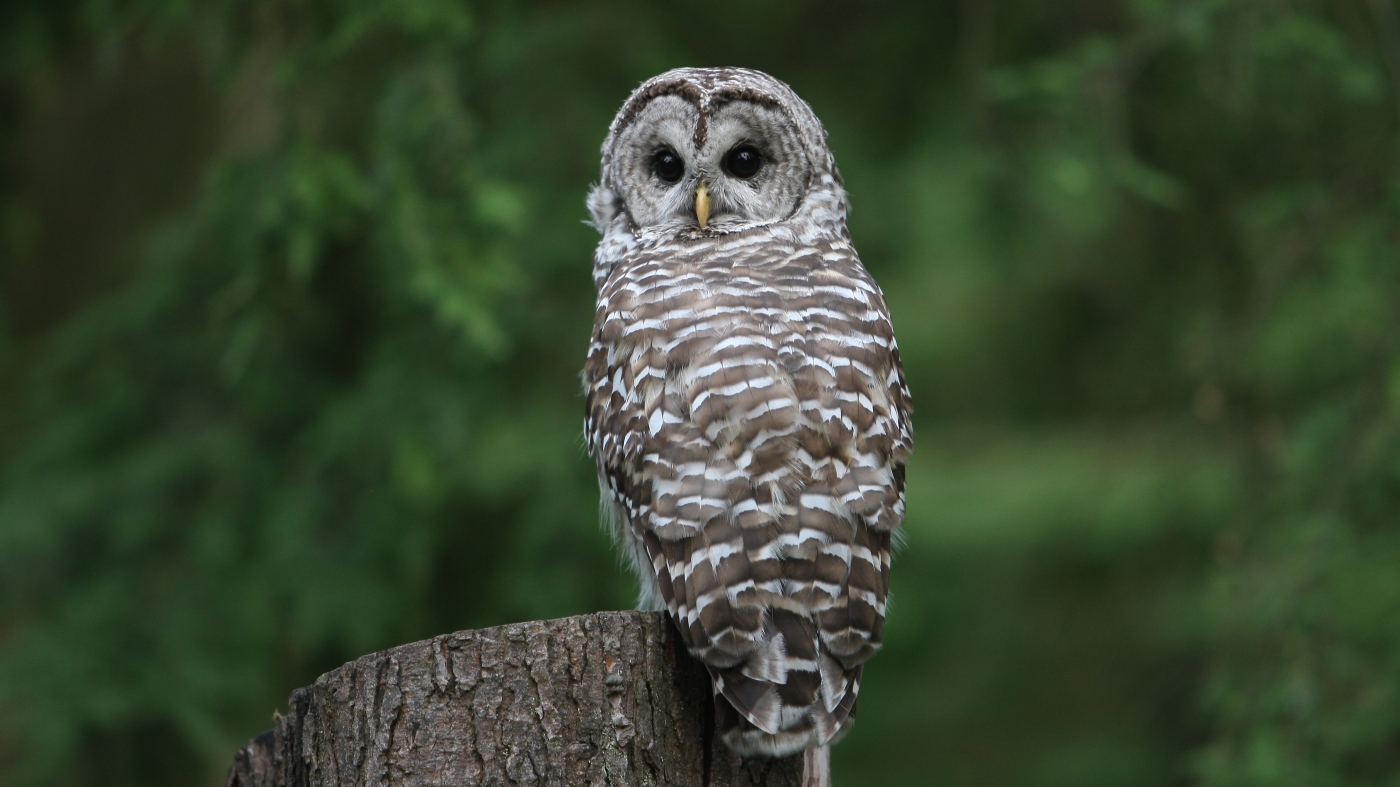
Featured Image: Northern spotted owls, shown here, are one of the numerous species historically sheltered by the Endangered Species Act.
In a controversial move, the Trump administration is seeking to narrow the scope of the Endangered Species Act by reinterpreting the term 'harm.' This shift could substantially loosen the Act's ability to protect essential habitats.
The newly proposed change suggests limiting 'harm' only to actions that cause direct physical injury or death to animals, excluding indirect impacts on their environments. This could potentially open the door for industrial development activities like logging, mining, and construction in areas vital for species survival.
Criticism from Conservationists
Brett Hartl from the Center for Biological Diversity criticized this approach as 'indifferent and dangerous.' Hartl expressed concern that any progress made under the Act will be undone, leading to further declines in vulnerable species.
The Endangered Species Act prohibits 'taking' species, which includes harassment, harm, or killing. Historically, 'harm' has been understood to encompass habitat alterations that hinder a species' ability to live and reproduce.
This broad interpretation has been pivotal in measures that preserve ecosystems for species like the Atlantic Sturgeon and within the Pacific Northwest's ancient forests. These forests support species such as red-cockaded woodpeckers, preventing their extinction.
Judicial Precedent and Proposed Changes
In the past, timber companies challenged this broad understanding, but a Supreme Court ruling upheld it. Despite the ruling, Justice Antonin Scalia's dissent argued for a more narrow view, suggesting 'take' only applies to actions directly targeting individual animals.
The administration's proposal leans on Scalia's interpretation, claiming it follows the 'single, best meaning' of the Endangered Species Act (ESA).
Potential Consequences
Critics argue that limiting 'harm' misses the broader ecological impacts. For example, a prairie chicken could lose crucial breeding grounds to fossil fuel development, dramatically affecting its population without directly injuring the birds.
The public will have 30 days to comment on the proposed rule, and legal challenges are anticipated.
Leave a Reply