


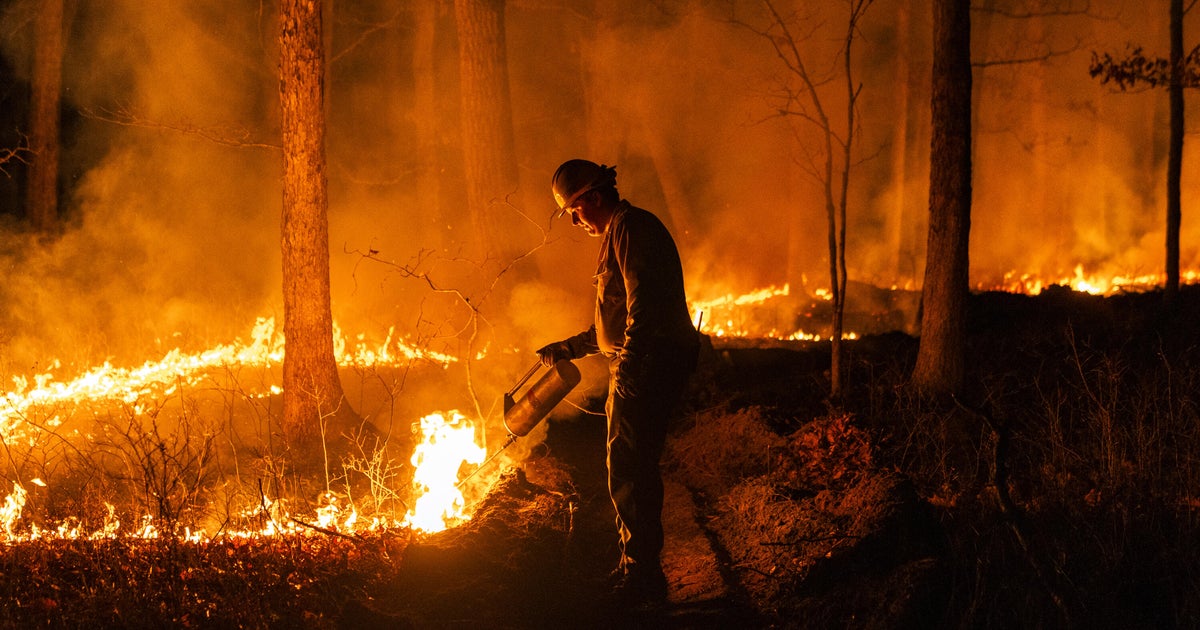
Trump Ensures Compensation Boost for Wildland Firefighters Amid Government Workforce Reductions
In a GOP-driven fiscal measure endorsed by President Donald Trump, wildland firefighters will retain a pay boost established four years prior, amid concerns that widespread federal employment terminations could heighten the country's wildfire vulnerability.
Interior Secretary Doug Burgum lauded Trump's actions in a social media statement on X, expressing thanks to firefighters who he described as embodying the nation's spirit through their courage and self-sacrifice to safeguard communities and conserve natural resources.
Significant Staffing Reductions in Federal Agencies
Despite the secured pay raise, the U.S. Forest Service, National Park Service, and National Oceanic and Atmospheric Administration have collectively faced layoffs affecting thousands of employees. These staff previously undertook essential duties like clearing trails, managing controlled fires, and providing critical fire management support.
The elimination of these roles is raising alarms about public safety risks, especially given the increased frequency and intensity of wildfires in the western United States, attributed to changing climate patterns.
Repercussions of Federal Employee Terminations
Democratic Senator Patty Murray conveyed concerns from Washington state firefighters who feel their safety is compromised by the administration's indiscriminate dismissals, which overlook the need to maintain support staff crucial for wildfire response endeavors.
Court interventions have prompted some rehiring actions following challenges to these workforce reductions, yet future personnel stability remains uncertain for many affected employees.
Financial Enhancements for Firefighting Personnel
The initial introduction of a significant pay increase under prior bipartisan infrastructure legislation offered temporary financial relief to wildland firefighters, which was later extended by Congress on an interim basis.
Representative Mike Simpson (R-Idaho) played an instrumental role in ensuring the permanency of this wage adjustment, aiming to enhance recruitment and retention while securing the economic future for these vital first responders.
Union Response and Broader Workforce Impacts
Randy Erwin, leading the National Federation of Federal Employees, hailed this pay permanence as a victory achieved through relentless union advocacy. However, he remains critical of further administrative plans to reduce firefighter numbers, warning that such reductions could undermine national safety efforts.
Washington State Forester George Geissler, an experienced voice in wildfire management, emphasized the overlooked contributions of staff not directly labeled as firefighters, whose support roles are pivotal in the successful management of wildfire incidents.
Further, Rick Spinrad, a former NOAA administrator, highlighted the indispensable role of incident meteorologists from the National Weather Service in guiding on-ground firefighting actions, a capability now threatened by staff shortages.
The situation underscores the complex dependencies and support networks underpinning effective wildfire management, elements that are at risk amidst recent staffing changes.
Leave a Reply