


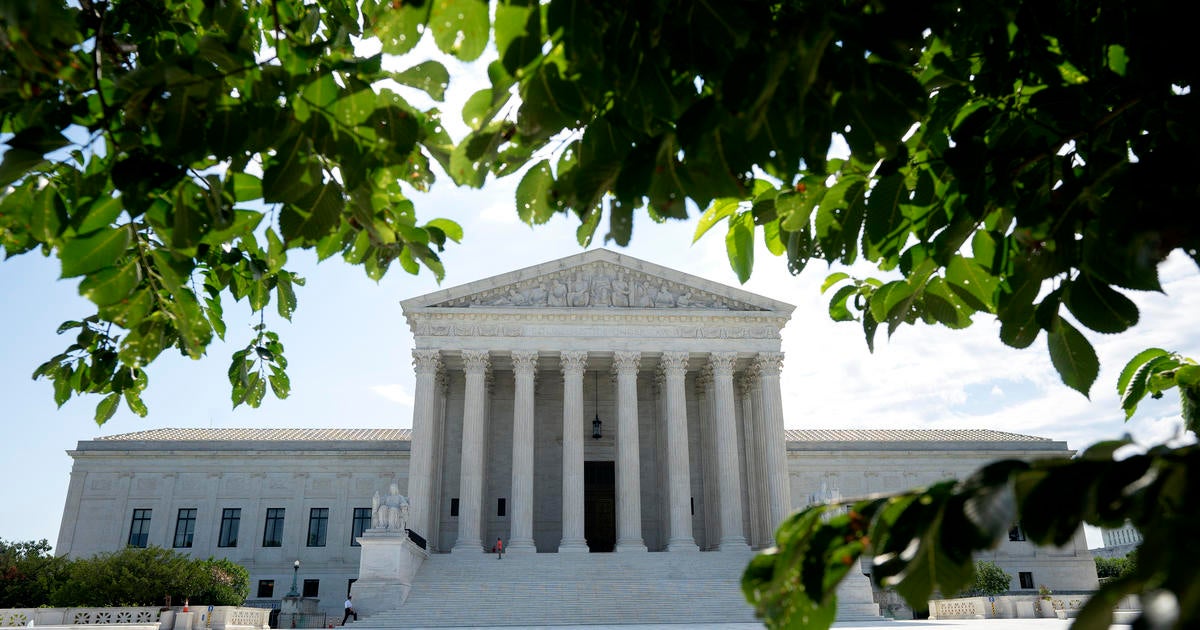
Supreme Court Decision Hampers EPA Sewage Discharge Oversight
In a narrow 5-4 decision, the Supreme Court has imposed stricter limitations on the Environmental Protection Agency's (EPA) authority to regulate water pollution. This ruling emerged from a case concerning San Francisco's sewage discharges during heavy rainfall.
The majority opinion, penned by Justice Samuel Alito, concluded that the EPA's removal of 'end-result provisions' in permits exceeded its powers under the Clean Water Act. These provisions had previously mandated cities and counties to ensure the receiving waters met quality standards, such as those discharged into the Pacific Ocean.
Alito argued that while cities may comply with specific permit requirements, they could still face severe penalties for water quality falling below established norms.
Dissenting Opinions
Justice Amy Coney Barrett, aligning with the court's liberal justices, dissented. She highlighted the insufficiency of current effluent limitations, pointing out incidents of water quality degradation by San Francisco's sewer system, evidenced by visible pollution in Mission Creek.
Impact and Reaction
This case saw an unusual coalition supporting San Francisco, including energy companies and business organizations. Historically, the EPA issued numerous narrative permits to ensure water quality even when specific limits fall short. Former acting general counsel Kevin Minoli remarked on the essential role these permits played as a safeguard.
With the court curtailing these permits, there's uncertainty about future regulatory measures to protect water quality.
Environmental Groups' Concerns
Environmental organizations like the Sierra Club criticized the decision for overlooking the complexities of water pollution. Sanjay Narayan, representing the Sierra Club, cautioned that the ruling complicates the permitting process, potentially leading to delays and higher costs due to the EPA needing precise discharge data upfront.
Narayan warned that this might lead to consistent public exposure to low-quality water if health-based standards cannot be enforced.
Leave a Reply