


Are Weather Forecasts Really Vital?
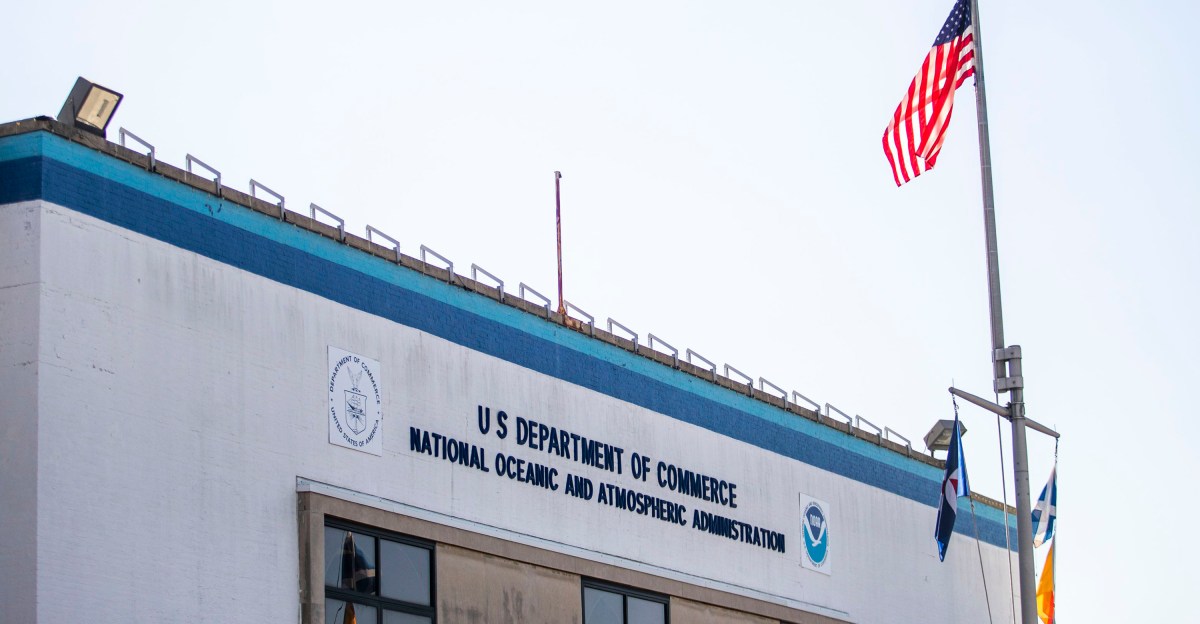
The latest wave of job losses within the federal sector has now reached the National Oceanic and Atmospheric Administration (NOAA), significant for its roles as the predominant weather forecasting body in the United States and a world-leading entity in maritime and atmospheric research.
According to CBS News, NOAA has seen a reduction of 880 jobs, which makes up around 7% of its total workforce. The cuts impact diverse roles, including meteorologists, earth scientists, and space weather analysts. As a result, critical operations, like the launching of weather balloons utilized for data collection, face shutdowns.
The Probationary Puzzle
The common factor among these displaced employees is their probationary status — not a form of censure but a peculiarity of the hiring framework in the federal system. By regulation, federal workers are initially employed on a trial term, generally one year or more, encompassing newcomers and those promoted or shifted within agencies. Statistically, nearly 10% of federal personnel are probationary at any given moment.
Amelia Glymph, from the American Federation of Government Employees, highlighted the probationary phase as a period for supervisors to assess performance. These employees do not enjoy the same rights as permanent staff.
During this probation, employees must prove their employment benefits the public interest, as mandated by the US Merit Systems Protection Board. Robert Shriver from Democracy Forward's Civil Service Strong initiative advises viewing probation as an extension of the recruitment process. He argues that effective managers can quickly evaluate a candidate’s fit for their role.
A Lengthy Trial
Why, then, does probation extend so long, sometimes up to two years? Many federal roles necessitate comprehensive training, such as those in law enforcement. Orientation to the complexities of governmental processes can also be time-consuming. Moreover, the cyclical nature of some tasks, like working when Congress is in session, or the extended timeline to produce and evaluate detailed reports, contributes to prolonging probation.
Once out of probation, employees gain robust job security, making termination more challenging. This serves to retain skilled civil servants and insulates positions from the fluctuations of political tides.
Challenges in Transition
Probationary workers do have some safeguards and cannot be discharged without cause. There are concerns that large-scale firings under the Trump administration might breach legal norms, but court proceedings lag behind, as many federal employees have already exited.
The ongoing constraints are causing job vacancies and a workforce attrition through retirements or buyouts. The instability diminishes the federal lure, discouraging potential applicants.
For an institution like NOAA, whose research exceeds private sector capabilities, this turns into a sustained workforce constriction, jeopardizing public safety and economic health in the long term.
Leave a Reply