


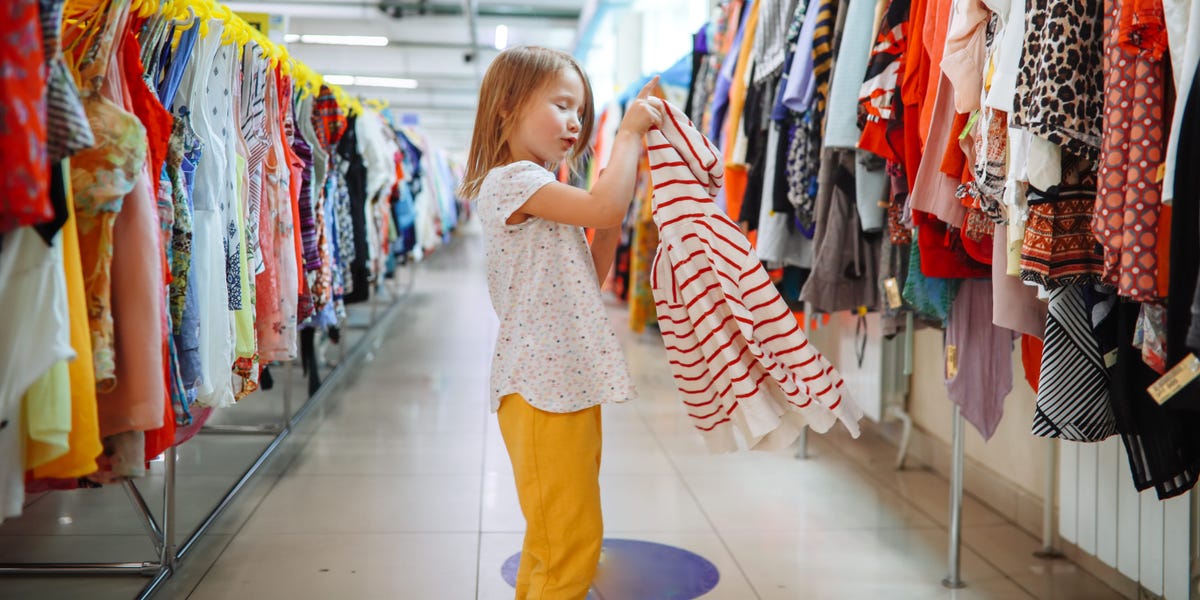
Insights from My Experience at a Children's Thrift Store
During my senior year of high school, I found myself working at a secondhand store that specialized in children's items. Our daily operations largely involved examining bags of pre-owned clothing to decide what could potentially find a new home. The consignment model meant that should a donated item be sold, the original owner would receive part of the proceeds. Unacceptable items, on the other hand, were grouped separately for charitable donations.
Throughout my tenure, I estimated handling countless garments, many of which were unsuitable for sale. Indeed, it's a sad reality that only a fraction—roughly 15%—of clothing donations find new buyers or users. Frequently, the garments we dismissed exhibited evident signs of wear: stains, rips, and other forms of damage which meant they were unlikely to appeal to anyone. We occasionally received non-resalable items, like worn-out underwear, an indicator that people were offloading their closet without contemplating the ultimate destination of these offerings.
The Journey of Rejected Items
Garments that couldn’t be sold were packaged and sent to local charities. However, our oversight ended there, and we remained uninformed about the final fate of these donations. Regrettably, it’s plausible that many of them eventually contributed to the staggering 11.3 million tons of textile waste documented by the EPA in 2018, accounting for 7.7% of landfill content.
Fortunately, the past decade has witnessed growing consciousness regarding the detrimental effects of the fast-fashion sector, characterized by the rapid turnover of inexpensive and poor-quality clothing. Consequently, secondhand shops have become increasingly popular, perceived as a more sustainable option—especially among parents who frequently need to refresh their children’s wardrobe due to growth spurts.
Mindful Donation Practices
Given this context, I urge everyone to critically evaluate their donations. Before you part with that old shirt or pair of pants, ask yourself sincerely if anyone might realistically find value in it. It's a small, yet significant effort towards reducing the volume of unusable items at thrift stores.
Exploring Other Avenues for Kids’ Clothing
Prior to sending children's clothes to a secondhand store, consider whether there might be another use. Friends with younger children might welcome gently used garments—remember, if it's not suitable for your friends, it's unlikely to be suitable for the thrift store. On a personal note, I often opt to repair or creatively reuse clothing, increasing its utility before deciding it's time to let go. In cases where the fabric is beyond salvaging for wear, explore textile recycling initiatives or repurpose them into useful household items, like cleaning cloths.
As consumers, being intentional with our purchases is crucial. Pause before acquiring new clothing; reflect on the true need for the item and ponder its lifecycle, including its eventual resting place. When selecting gifts for children, familial conversations can emphasize alternatives, such as shared experiences over physical possessions—it’s a strategy that can yield more lasting memories.
Making a Difference with Small Changes
These may appear as modest adjustments, yet the potential impact on how we value and handle secondhand items is profound, advancing not only environmental goals but mindfulness in everyday consumer behavior.
Leave a Reply