


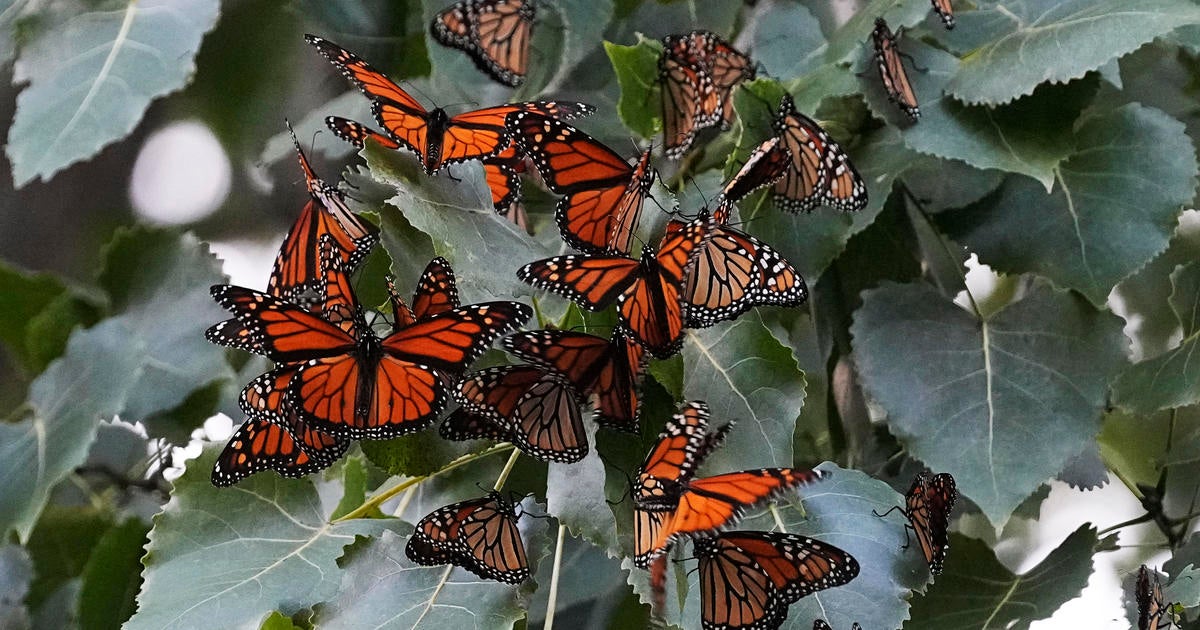
Western U.S. Sees Remarkable Decline in Monarch Butterfly Numbers
Monarch butterflies that winter in the western regions of the United States have plummeted to the second-lowest levels observed in three decades. This decline is largely due to factors such as pesticide use, habitat loss, and climate change impacts.
Monarchs Under Threat
These easily recognizable butterflies, with their striking orange and black marked wings, populate much of North America. In the eastern part of the United States, monarchs migrate to Mexico for the winter months. Their numbers are monitored by the World Wildlife Fund, although data for the current year is not yet available. Those west of the Rocky Mountains predominantly spend the colder months along the California coastline.
In 2022, the International Union for the Conservation of Nature listed monarch butterflies as an endangered species, estimating up to a 72% population decrease over ten years. The Xerces Society for Invertebrate Conservation, which has tracked overwintering populations in California and Arizona for 28 years, reported a record high of 1.2 million monarchs in 1997 but noted only 2,000 monarchs by 2020. Recent counts reveal a 96% reduction from 233,394 individuals in 2023 to just several thousand in 2024.
Increasing Challenges
Monarch butterflies are encountering numerous threats, primarily the decrease of milkweed, crucial for their larvae. Drought conditions, wildfires, and expansions in urbanization and agriculture have all contributed to the reduction of this vital plant. Additionally, remaining milkweed resources are often contaminated with harmful pesticides.
A decrease in sightings has concerned many, as noted in last year's Minneapolis festival celebrating monarch migrations. Wendy Caldwell of Monarch Joint Venture expressed worry over these diminishing numbers. The sharp decline in the western populations within just one year remains puzzling for researchers.
Environmental factors, notably climate change, are significant concerns. Monarchs require a specific climate for their successful development, and shifts in temperature or rainfall patterns can hinder their survival and reproduction.
Heat extremes pose dire risks, as temperatures above 108 degrees Fahrenheit can be lethal. The western U.S. experienced excessive heat waves last year, with record-breaking temperatures, posing an existential threat to the butterfly populations.
A Catalyst for Change
Despite the alarming decrease, there is hope for recovery given insects' ability for rapid reproduction. Following a record low in 2020, the number of monarchs rebounded significantly the next year. However, the 2024 plummet serves as a crucial reminder of the population's vulnerability.
The U.S. Fish and Wildlife Service aims to list the monarch as threatened, which would afford legal protections, safeguarding habitats crucial for their survival across coastal California.
Describing the monarch's appeal and resilience, authorities highlight the importance of conservation efforts bolstered by public engagement. A proposed ruling to officially recognize the monarch as threatened is under consideration, with public input ongoing.
Additionally, advocacy groups like Earthjustice have pushed for regulatory actions, urging the Environmental Protection Agency to assess pesticide impacts on critical pollinators, including butterflies.
Leave a Reply