


Challenges for U.S. Wind Energy Following Trump's Directive
In a decisive move, President Trump has put a pause on approving federal applications for new wind energy sites—threatening developments both on terrestrial and oceanic fronts.
Impacts Across Land and Sea
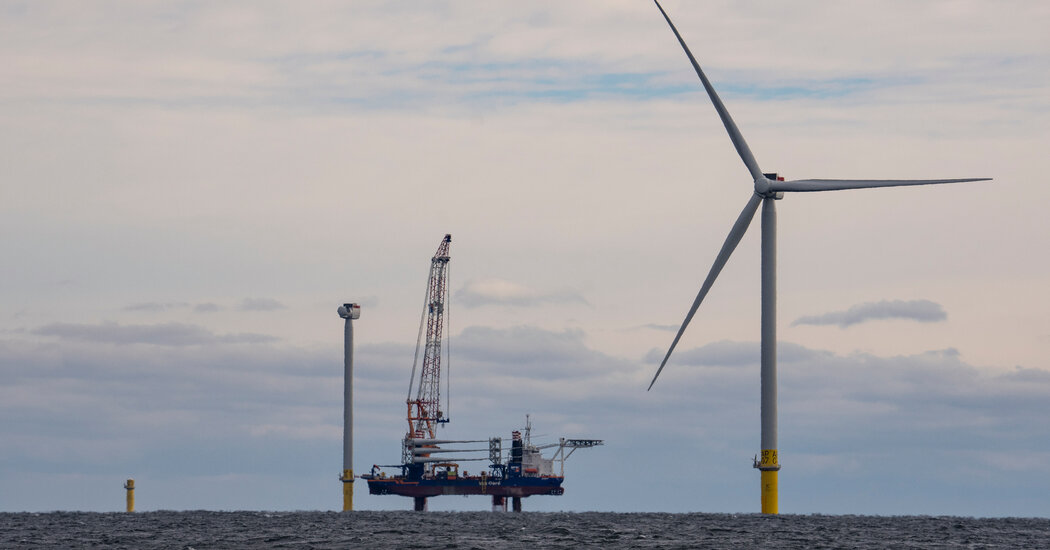
President Trump initiated a significant challenge to the wind power sector within the U.S., potentially obstructing not just emerging offshore installations in the Atlantic and Pacific but also numerous inland projects on federal territories and possibly even on privately-owned lands.
Federal Lands and Regulatory Barriers
Under the directive, any leases of federal domains and waters for new wind energy installations are suspended until a new governmental evaluation occurs. Federal agencies have been instructed to hold off on distributing permits for any wind projects nationwide, which could hinder developments needing federal wildlife or other environmental clearances, even on private properties.
Existing Projects Facing Uncertainty
Although active projects are not currently ordered to stop, President Trump has called upon the U.S. Attorney General and the Secretary of the Interior to study the feasibility of canceling or altering already granted leases. This implies that projects already in execution could encounter unforeseen challenges.
Major Setbacks for the Wind Industry
These collective measures threaten to severely disrupt the wind sector in the U.S., which currently forms a tenth of the nation's power supply and is significant even in Republican-majority places like Iowa, Oklahoma, and Texas. Throughout the Atlantic Ocean and states such as Wyoming, Montana, and North Dakota, enough on-coming projects are in planning stages to electrify millions of residences.
State Renewable Goals in Jeopardy
The Biden administration had greenlit 11 wind farm projects along the Atlantic Seaboard, with five under construction and one completed. Eastern states such as New York and Massachusetts, aiming for renewable energy benchmarks, now face challenges in expanding their offshore wind energies under this directive.
Leave a Reply