


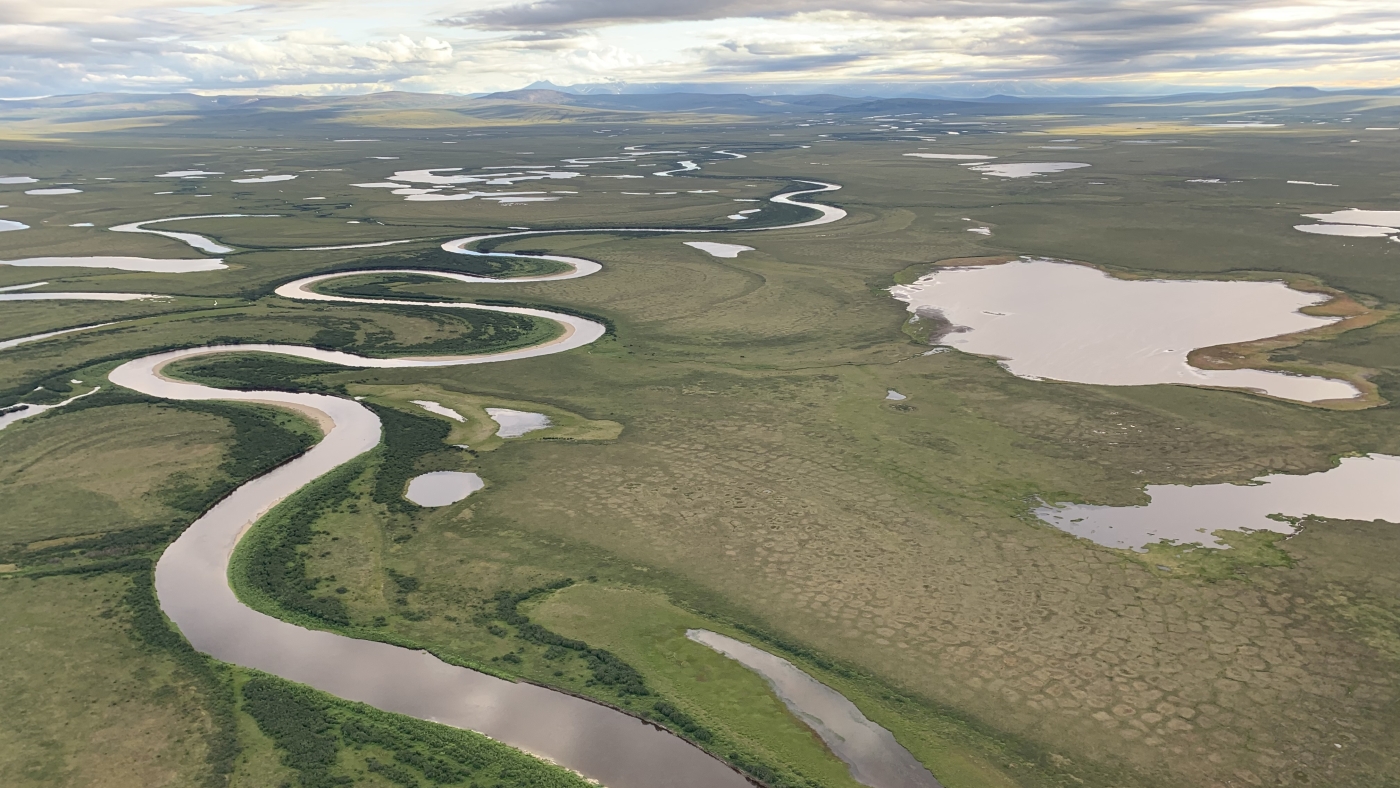
Arctic Tundra's Shift to Climate-Impacting Emissions: Federal Analysis
The Arctic tundra is undergoing significant warming. This climate shift leads to the thawing of soil that has remained frozen for centuries, as well as an uptick in wildfire incidents. As a consequence, the Arctic region has started to release more carbon into the atmosphere than it can retain, exacerbating the effects of global warming, as stated by Rick Spinrad from the NOAA.
This ecosystem, previously known for capturing carbon over millennia, is now a contributor to greenhouse gas emissions. Rising temperatures and persistent wildfires are pivotal factors in this transformation, leading to the release of gases that further warm the planet.
These findings are highlighted in the annual report from the National Oceanic and Atmospheric Administration, with contributions from experts at the Woodwell Climate Research Center. This change in the Arctic landscape could have far-reaching impacts on global climate dynamics.
Rick Spinrad emphasized that the Arctic's shift from carbon storage to emission aligns with scientific predictions, underscoring the inadequacies in current efforts to curb fossil fuel-based pollution.
Róisín Commane, a scholar in climate science at Columbia University, who wasn't part of the study, expressed that while this outcome was anticipated, witnessing it is still alarming. She further noted the ongoing challenge, stating the continuation of CO2 emissions will not be easily mitigated.
Repercussions of Arctic Warming
The Arctic is heating up at a rate surpassing global averages, now for over a decade. This warming not only affects local environments but also has significant implications for sea-level rise, wildlife behavior, and more—largely driven by human activities like fossil fuel combustion.
Amidst this environmental analysis, political factors also intertwine. The impending administration led by Donald Trump, who has expressed intentions to enhance Arctic oil and gas exploration, brings further attention to these findings.
Sue Natali from the Woodwell Climate Research Center refrained from political commentary but reinforced through this report the critical need for continued research and emission reductions, transcending political affiliations.
From Carbon Trap to Carbon Release
Permafrost, storing vast amounts of carbon over the ages, is now starting to melt due to warming, releasing carbon dioxide and methane. Until recently, these soil microbes remained inactive, akin to chicken kept safely in a freezer, but are now beginning to break down the organic matter due to thawing.
Twila Moon, a key editor for the Arctic Report Card, explains this thawing as a gradual rot, similar to defrosted chicken being broken down by active microbes.
These developments not only destabilize the soil structure but contribute to more emissions as climatic conditions intensify.
Since the early 2000s, wildfires have escalated, discharging immense amounts of carbon into the atmosphere, surpassing the annual emissions of some nations.
Moreover, the permafrost holds an estimated carbon reserve far exceeding that of global forests, which poses a major environmental threat if these deposits are unlocked.
Consequences of Greenland’s Ice Melt
Although last year saw significant snowfall, Greenland's ice sheet still experienced massive ice losses, contributing to minor yet impactful global sea-level elevations.
The Greenland ice sheet, with its tremendous size and potential for sea-level impact, continues to alarm scientists due to its persistent shrinkage.
This ongoing ice loss is a critical factor in global sea-level rise, further highlighting the interconnectedness of Arctic warming and global climatic changes.
Animal Adaptations and Struggles
Some Arctic species, like seals, appear to manage despite environmental changes, adapting by feeding on different fish populations. However, their long-term adaptability remains uncertain.
Caribou, on the other hand, struggle; their populations have dwindled significantly, largely due to altered feeding patterns forced by increasingly hostile weather conditions.
As warmer weather leads to more insects, caribou divert their energies to avoid these nuisances rather than spending time foraging.
Leave a Reply